Something is happening in how people spend money, and the numbers are hard to ignore.
The US secondhand apparel market grew 14% in 2024 — its strongest annual growth since 2021 — outpacing traditional retail clothing by five times. Online resale jumped 23% in the same year. The global secondhand market is projected to reach $367 billion by 2029. A record 58% of consumers bought secondhand in 2024. Among younger shoppers, nearly half now look secondhand first.
That's not a trend. That's a structural shift.
The Thing Nobody Wants to Say Out Loud
The internet runs on advertising. Not partially — almost entirely. Google, Meta, YouTube, Instagram — the reason these platforms are free is that your attention is the product being sold to brands that want to put things in front of you.
This has been the foundational arrangement of the internet since the beginning. Most people agreed to it without realizing they'd agreed to anything.
And somewhere along the way, people got tired. Saturation has consequences over time. Tired of things being pushed at them constantly. Tired of buying things that felt cheaper than they looked in the photo. Tired of the unboxing and disposal cycle. Tired of owning things designed to be replaced rather than kept.
So they started doing something else. They started buying from each other.
What That Gap Looks Like from the Inside
The recommerce world isn't one thing. It's garage sales that moved online. Estate clearances that skip the middleman. Collectors trading directly with other collectors. People who figured out that a $300 item at retail costs $60 if you know where to look.
It's also — and this is the part that doesn't get talked about enough — people who have good things sitting in closets, storage units, and basements, with no efficient way to know what any of it is worth.
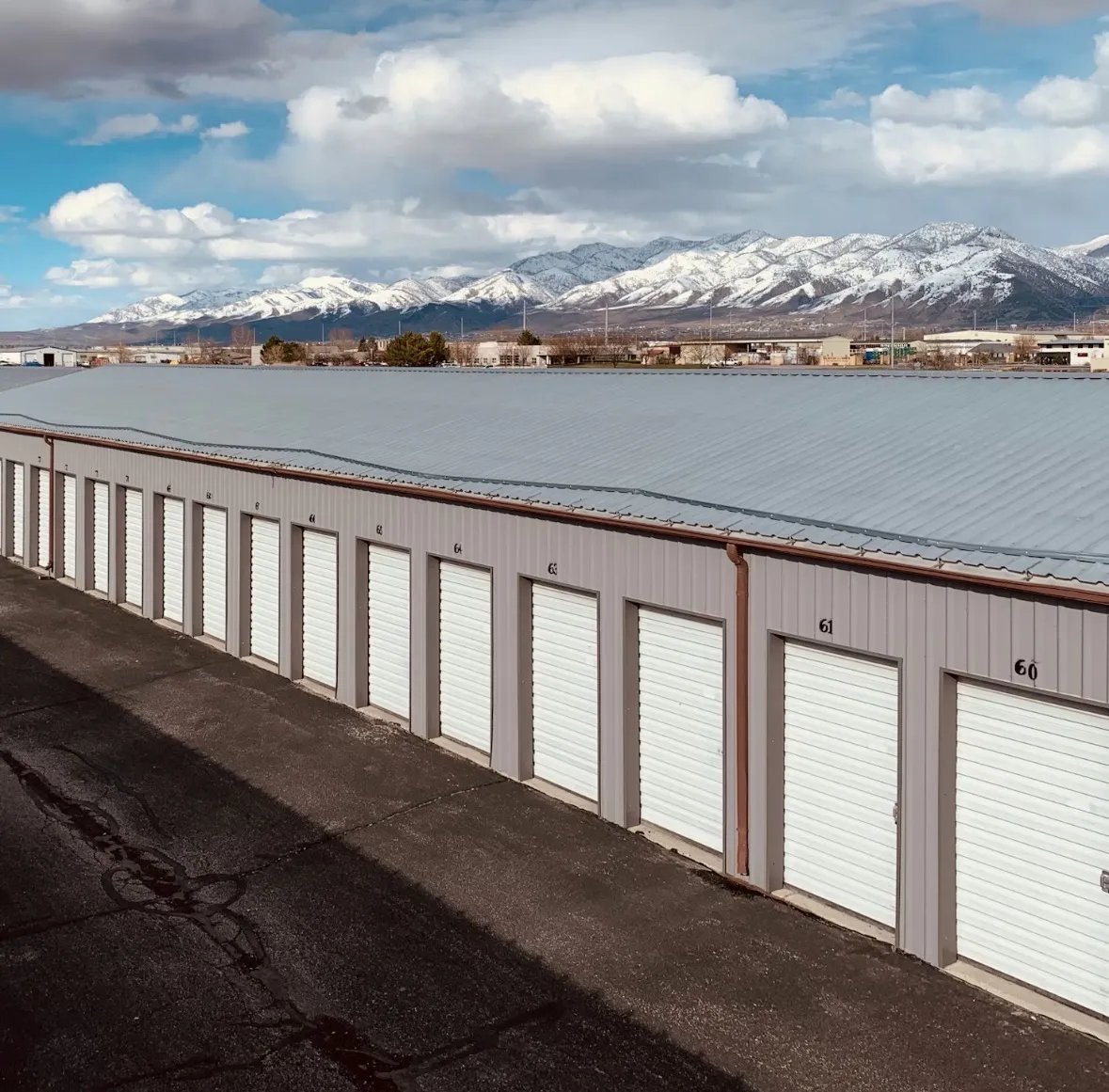
Over 52,000 self-storage facilities operate in the US. One in three Americans currently rents a unit.
That's 2.1 billion square feet of stored stuff — roughly 6 square feet for every person in the country. The industry is valued at $44 billion annually. The average tenant rents for over a year. The most commonly stored items are furniture and clothing.
Most of that stuff has value. Some of it has significant value. Almost none of it has been appraised.
A grandmother's silver tea service gets donated to Goodwill for $8 because nobody knew it was worth $400. A vintage camera sits in a box for a decade because listing it felt like too much work. A collection of records goes to the estate sale company that offers $50 for the lot.
The knowledge gap is where the value disappears.
The Friction That Kills Transactions
Here's what actually slows the recommerce market down: not lack of buyers, not lack of sellers — lack of information.
Buyers want to know they're not overpaying. Sellers want to know they're not leaving money on the table. Both require the same thing: a reliable read on what an item is actually worth in the current market, on the specific platforms where it would sell.
That information exists. eBay has sold-listing data on millions of items. Etsy tracks vintage pricing. Specialized platforms exist for coins, records, trading cards, jewelry, sports memorabilia. The data is there — scattered across dozens of platforms, unavailable in any single place, and inaccessible without knowing where to look and how to interpret what you find.
The result: most people guess. Or they don't bother. Or they take the first offer.
A market where participants can't price accurately is a market leaving money on the table at every transaction. Multiply that across 52,000 storage facilities, 14 million households renting units, and every closet, basement, and estate in the country.
The Advertising Question
This piece is on a website that wants you to download an app. That makes us part of the same ecosystem we've been describing. We're not going to pretend otherwise.
But the interruption lands differently when you're introducing a tool for something someone was already trying to do.
The recommerce shift isn't anti-commerce. It's anti-noise. People aren't refusing to buy and sell — they're doing more of it than ever, on their own terms, with less of the manufactured urgency that commercial retail depends on. The 14% growth number isn't driven by marketing campaigns. It's driven by people making practical decisions.
We think that's worth building for. The market is already there. The goods are already there. The missing piece is knowing what things are worth.